

Blog
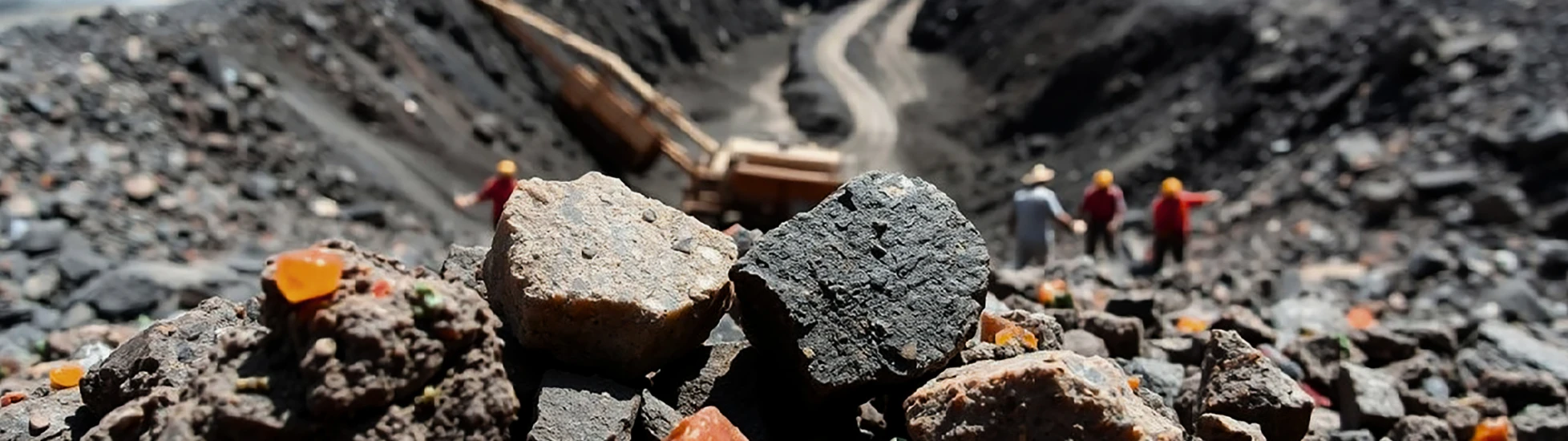
The global transition to a sustainable, low-carbon economy is driving an unprecedented increase in demand for critical raw materials (CRMs) and renewable energy. These materials are not only the building blocks of innovation; they form the foundation for a wide range of climate solutions across key sectors. Yet their extraction and supply remain concentrated in just a few countries. This concentration entails significant risks, such as geopolitical tensions, export restrictions, and market volatility, which particularly affect regions striving for energy security and industrial independence.
Financing remains the main obstacle to accelerating projects for critical raw materials and renewable energy. To mobilize the enormous capital needed to build resilient infrastructure, drive technological breakthroughs, and secure diversified supply chains, more is needed than conventional financing. This task requires harmonizing various sources of financing—from government budgets and green bonds to private equity and export credit guarantees—to bridge persistent investment gaps. In this complex environment, export credit agencies (ECAs) across Europe play a crucial role by reducing investment risk and unlocking essential financing for projects that strengthen raw material supply chains and promote sustainable fuel initiatives.
Critical raw materials and their strategic importance
Critical raw materials are essential metals and minerals that form the backbone of the global transition to a sustainable, low-carbon economy. These materials—including lithium, cobalt, rare earth elements, and platinum group metals—are indispensable in a range of high-impact sectors, such as clean energy technologies, electric vehicles, aerospace, defense, and advanced electronics.
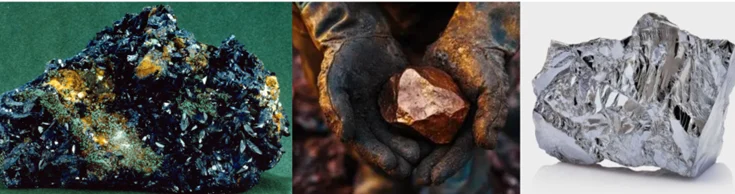
Their strategic value lies in their unique physical and chemical properties, which enable innovations that are crucial to modern technology. Lithium, for example, powers the batteries that drive the electrification of transportation and grid storage; rare earth metals are vital for the production of high-quality permanent magnets used in wind turbines and electric motors; and materials such as silicon, gallium, and indium are fundamental components of photovoltaic cells and have a direct impact on the efficiency of solar panels. Copper’s exceptional conductivity supports the transmission infrastructure that is essential for the reliable, large-scale delivery of renewable energy.
The increasing diversification and complexity of renewable energy systems are driving up demand for a broad CRM portfolio. This diversification is crucial for the advancement of current and next-generation clean technologies, but it also introduces complexity into the supply chain, thereby increasing the need for greater innovation in material substitution, recycling, and the circular economy. Together, these strategies strengthen the resilience and sustainability of energy systems.
Risks to the Supply Chain for Critical Raw Materials
China dominates the rare earth metals market, while Australia, Chile, and Brazil control the lithium market, and the Democratic Republic of the Congo plays a key role in cobalt. Europe also remains heavily dependent on Russia, particularly for nickel and palladium—a vulnerability that has become especially apparent in recent years. This concentration makes economies—especially in Europe (excluding Russia) and North America—vulnerable to disruptions caused by trade disputes, political instability, or regulatory changes, posing a threat to industries that are crucial for a low-carbon future. Ensuring reliable and affordable access to critical raw materials goes far beyond maintaining basic supply continuity; it is an essential strategic lever for technological progress, competitive economies, and achievable climate goals. The backbone of future industries depends on supply chains that are robust enough to withstand shocks and flexible enough to adapt to growing demand and complexity.

Policy and Regulatory Frameworks: Catalysts for Investment and Security of Supply
Effective policies and clear regulations are crucial for closing the investment gap in critical raw materials. The EU Critical Raw Materials Act aims to stimulate the domestic extraction, processing, and recycling of critical raw materials (CRMs), while streamlining permitting procedures and ensuring strict social and environmental standards. This law has also established mechanisms to monitor supply-side risks, coordinate strategic projects and stocks both within and outside the EU, and promote a circular economy that reduces dependence on volatile global markets.
International cooperation remains important for managing the supply chains of critical raw materials, given their complexity and exposure to geopolitical risks. By harmonizing standards and encouraging responsible sourcing, countries can share both economic and environmental benefits. At the same time, strong policies can support innovation and sustainability and contribute to a more resilient ecosystem of critical raw materials and renewable energy. Effective governance makes it easier to manage risks and attract financing. A crucial step for climate-related efforts.
Financing Raw Materials Projects
Securing critical raw materials presents a complex financial challenge on par with the technological and geopolitical difficulties. Mining, refining, and recycling these essential materials require massive capital investments—running into the trillions globally each year—to build resilient infrastructure, spur innovation, and diversify supply chains. Yet it is difficult to attract sufficient financing. Many projects are located in politically unstable or environmentally sensitive regions, which entails risks related to governance, social responsibility, and regulation. Early-stage exploration and development often seem too risky for institutional investors, resulting in a capital shortfall precisely when financing is most critical. This is especially true in cases where extreme price volatility of certain critical raw materials makes it difficult to secure viable off-take agreements
Collaborative public-private partnerships remain essential for sharing risks, pooling expertise, and mobilizing capital on the scale and at the speed needed to meet climate and energy goals. Without such partnerships, many critical projects may stall, further exacerbating supply chain bottlenecks.
Innovative financing methods such as blended finance, impact investing, and digital platforms (such as the soon-to-be-launched EU CRM platform) are gaining popularity as a way to overcome barriers such as long project timelines and uncertain off-take and revenues.
Export credit insurers play a key role in supporting the financing of projects for critical raw materials. In response to these complexities, European ECAs are developing products to bridge financing gaps, mitigate risks, and attract private investment, with the aim of improving the financeability of projects and facilitating sustainable supply chains for critical raw materials.
The Role of Atradius DSB
At Atradius Dutch State Business (DSB), we are currently developing tailored solutions specifically designed to address these challenges. Our new CRM product will support both domestic and international CRM projects (with purchases made in the Netherlands or Europe). By mitigating political and commercial risks, with the backing of the Dutch government, Atradius DSB can play a key role in attracting the financing needed to secure the supply chains that support the strategic autonomy and sustainable energy sectors of the Netherlands and Europe. For more information about Atradius DSB’s product, please visit our website.
Contact
Do you want to optimize financing for your innovative technology and tap into new growth opportunities? Discover how Atradius DSB’s coverage for critical raw materials and renewable energy enables your company to secure the capital needed to scale up and accelerate time-to-market.