

Blog

Authors

The global food crisis has not spared the Middle East and North Africa (MENA). The region is arid and dependent on food imports, making it vulnerable to disruptions in global supply chains and rising global food prices. But not all MENA countries have the same cause for concern about empty stomachs or empty wallets. Energy exporters, such as the members of the Gulf Cooperation Council (GCC), are clearly benefiting from the sharp rise in oil and gas revenues. Their economies are booming, while their food supply is relatively secure thanks to exclusive trade agreements and large-scale investments in overseas farmland. In contrast, countries that are net importers of both food and energy products—such as Tunisia, Jordan, Egypt, Morocco, and Lebanon—are being hit hard.
No Land for Agriculture
All MENA countries are heavily dependent on imports for their food supply. Their gross food imports range from 2% to 8% of GDP. The arid climate and lack of arable land limit domestic agricultural production. This dependence on imports is particularly evident for essential foodstuffs, such as wheat, which is largely imported. The Gulf States are no exception. Only Egypt, Morocco, and Tunisia have a substantial agricultural sector, which generates more than 10% of the gross value added of their economies. And even there, approximately 50% or more of the grain is imported.
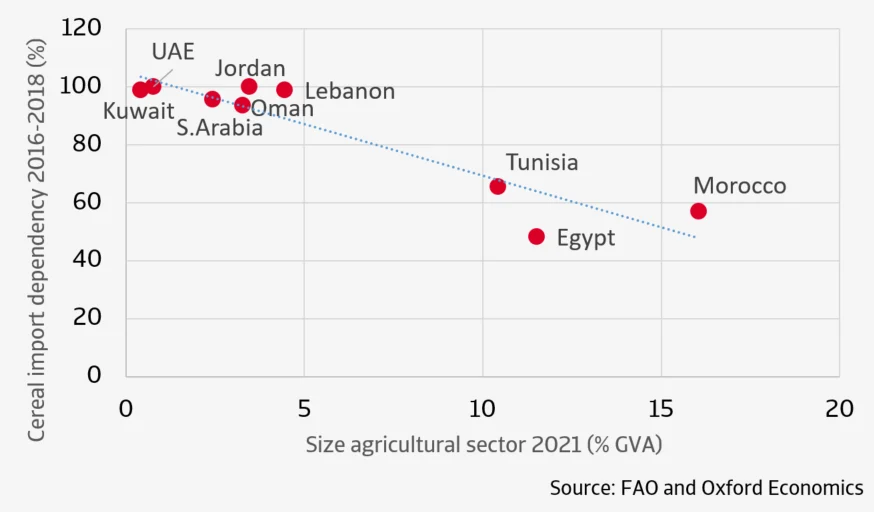
Figure 1: The MENA region’s dependence on grain imports is high
As a result, the MENA region is vulnerable to the annual 30% increase in global grain prices in June, which is passed on to consumers. Apart from Lebanon, which is plagued by hyperinflation, the sharpest rise in inflation so far has been in Egypt, where consumer prices are rising by more than 13% year-over-year (Figure 2).
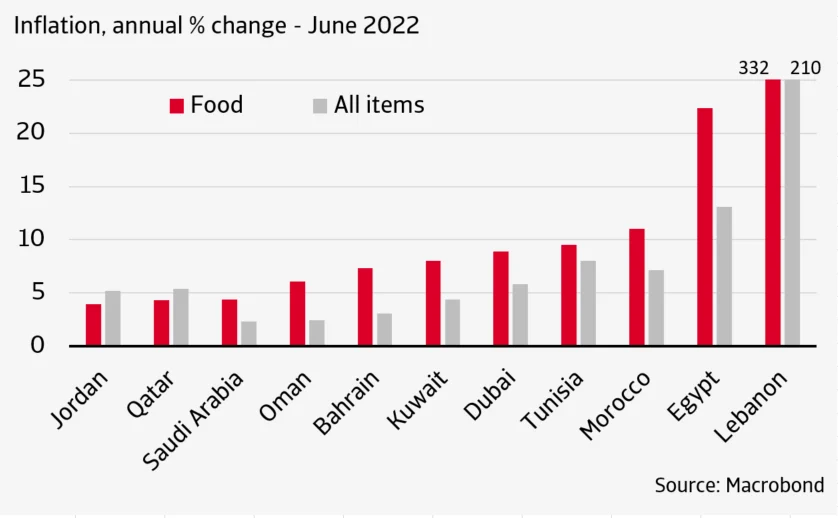
Figure 2: Food shortages are driving up consumer prices.
The Gulf States Are in Good Shape
The impact of higher food prices and disruptions to global food supply chains varies significantly among MENA countries. The wealthy GCC countries have a higher level of food security and are much better equipped to weather this shock.
MENA Imports Under Pressure
Although the economic slowdown and rising inflation are expected to be temporary, it is concerning from a credit risk perspective that MENA countries such as Egypt and Tunisia are facing a renewed deterioration in their macroeconomic imbalances. The rising import bill resulting from higher food and energy prices is already overshadowing the recovery in exports and tourism following the COVID-19 crisis. As a result, current account deficits will be even higher than they were at their peak in 2020. At the same time, government spending on economic support remains high due to increased food and energy subsidies.
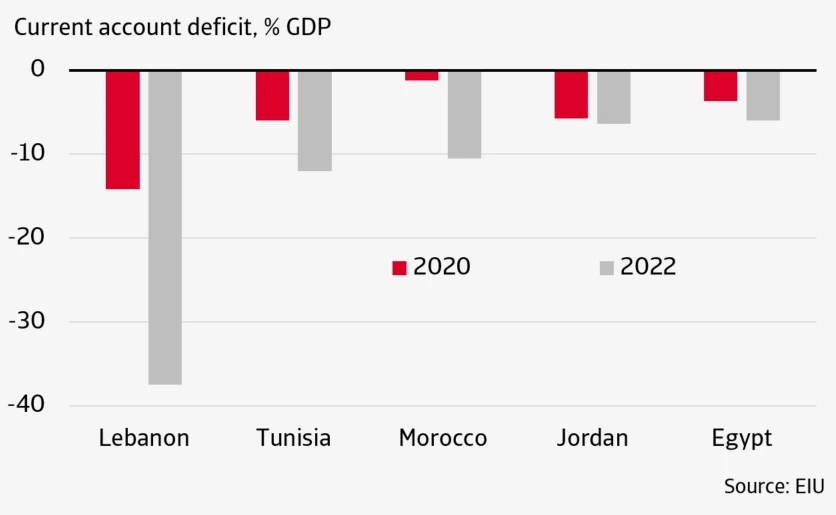
Figure 3: Current account deficits exceed COVID-19 peaks
The financial capacity to absorb this new shock is clearly limited. All net-importing MENA countries have a debt-to-GDP ratio well above the critical threshold of 70% of GDP set by the IMF for emerging markets. Moreover, global interest rates are now rising, making external debt financing more expensive. For Lebanon, this means a deepening of the combined sovereign debt, balance of payments, and humanitarian crisis it has been facing since 2019. Tunisia and Egypt may be the next countries to face financial difficulties, as their foreign exchange reserves are running low and they are seeking new IMF programs. Jordan and Morocco are the most resilient among the net importers, with sufficient foreign exchange reserves and decent access to both the international capital market and official loans.