
News
Why funding is crucial for the defence industry
From innovation to effectiveness

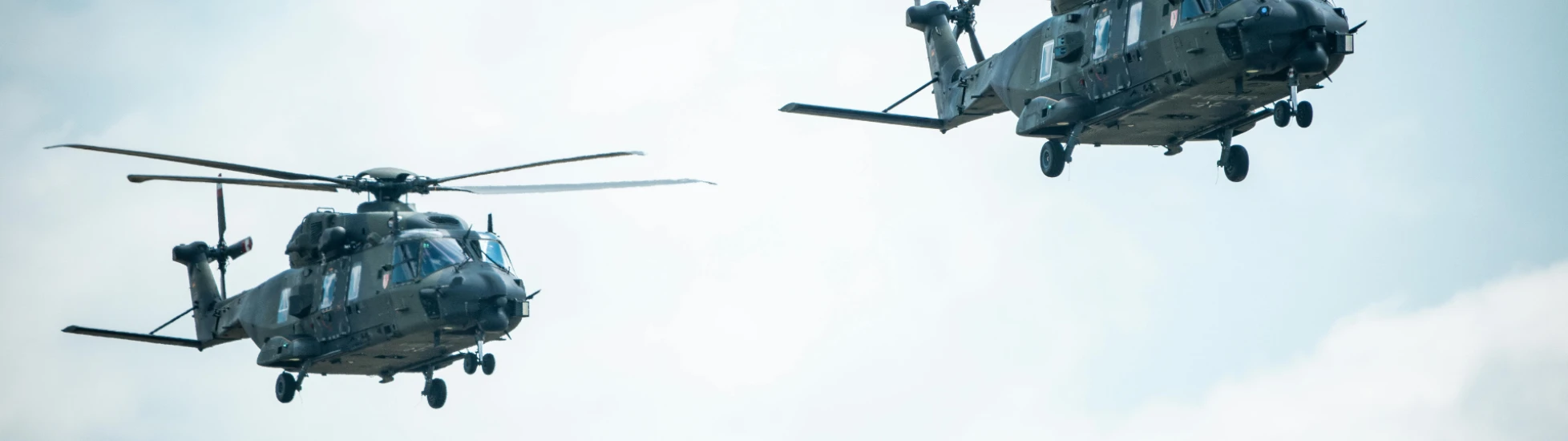
A prototype does not yet constitute operational capability. Nor does an export order automatically fill a production line. Between a technological lead and actual operational capability lies a financing challenge. Atradius DSB helps Dutch companies and their financiers to make that challenge manageable: in relation to international orders, industrial upscaling and the strengthening of strategic value chains.
The European security landscape has changed fundamentally. The return of large-scale war to the continent, the rapid development of unmanned systems and the growing importance of cyber, artificial intelligence and space exploration are placing new demands on our defence capabilities. The Netherlands and Europe must not only possess the right knowledge and technology, but also be able to produce that technology in a timely, reliable and scalable manner.
The Dutch defence and security industry plays an essential role in this. This industry does not consist solely of large manufacturers of military equipment. It encompasses a broad ecosystem of around a thousand companies, including specialised SMEs, innovative scale-ups and suppliers of software, sensors, materials, components and production technology. Together, they represent a turnover of approximately 7.7 billion euros. Furthermore, through the Defence Strategy for Industry and Innovation 2025–2029, the government has made 1.15 billion euros available for
innovation and upscaling, with a particular focus on intelligent systems, sensors, quantum technology, space technology, smart materials and the maritime manufacturing industry.
However, technological quality alone is not enough. An innovation must be able to progress from development to production, from production to application, and from an initial customer to an international market. It is precisely during this transition that the greatest financial pressure often arises.
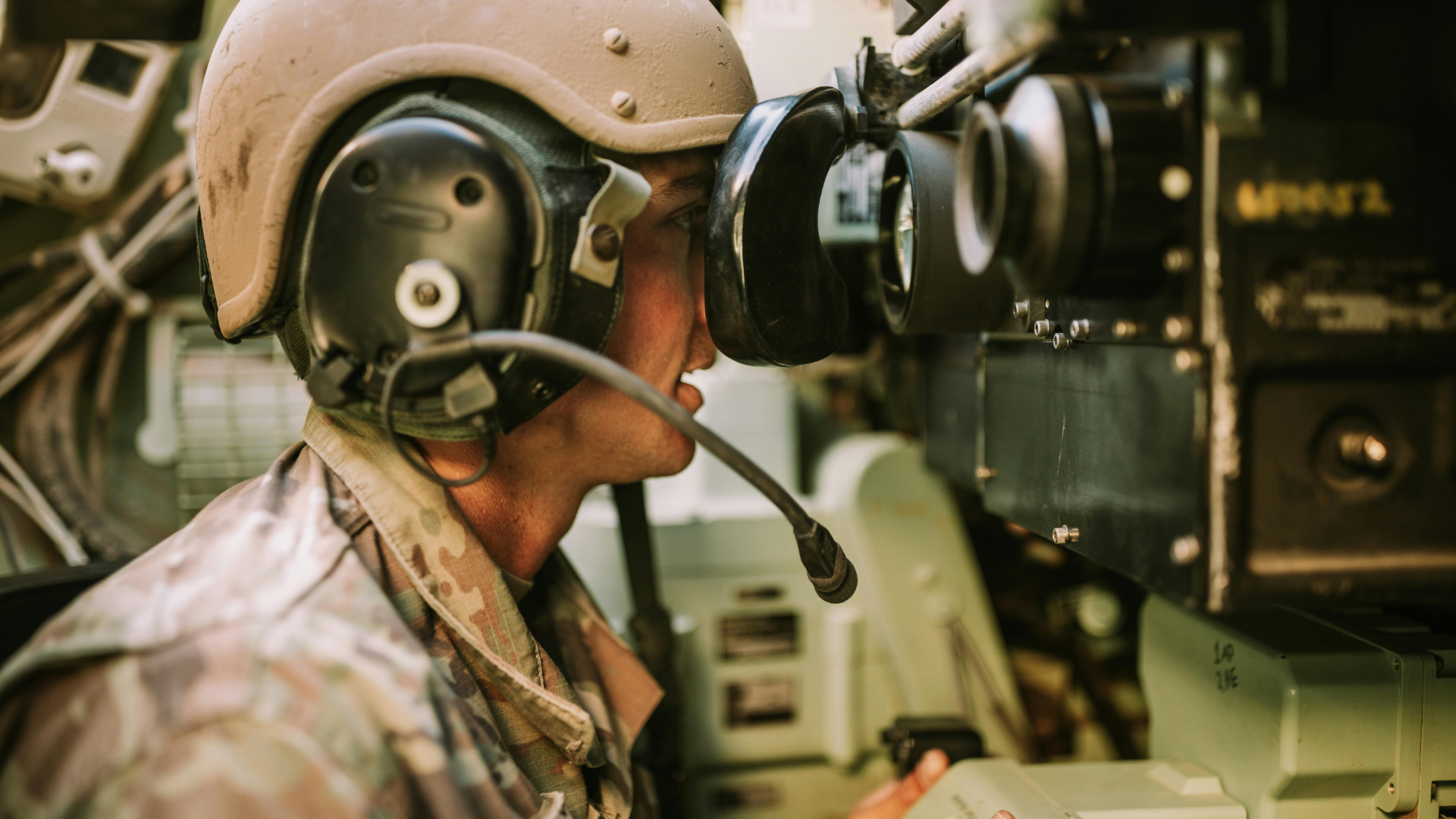
A new order can place a greater financial burden on a company before it generates any additional revenue. Materials and components must be purchased, staff must be recruited, production lines must be adapted and stocks must be built up. Foreign clients may also require bank guarantees or insist on long payment terms. The costs are then incurred months or even years before the company receives full payment.
This presents a dilemma not only for the company, but also for its bank or financier. A company may have strong technology, a reliable customer and a well-filled order book, yet still lack sufficient financing capacity to take the next step in its growth. The duration of a contract, the customer’s country, the payment profile, the extent of the guarantees required and the company’s balance sheet position can all limit its ability to secure finance.
This is where public and private finance can complement each other. We provide export credit insurance on behalf of the Dutch government. By covering risks that companies and financiers are not always able or willing to bear in full themselves, we can create scope for commercial financing. We do not take over the role of the bank, but help to establish a risk-sharing arrangement within which a financier is more likely to provide financing, or to provide more of it.
In the case of an international defence order, various elements of our standard export credit instruments may be relevant.
The Exporters’ Policy can be used to insure, amongst other things, the manufacturing risk and the risk of non-payment by a foreign buyer. This can be important when a manufacturer has already incurred significant costs before delivery or payment takes place. Political circumstances, transfer restrictions or other events in the buyer’s country may also form part of the risk assessment and cover.
Where a company requires additional liquidity to fulfil an order, Working Capital Cover can provide a solution. In this context, we insure the provider of the supplementary working capital facility. This enables a company to pre-finance an export order without the full financing requirement placing a strain on its regular credit lines.
Bank guarantees can also place a significant strain on a company’s financial resources. In the case of international tenders and contracts, these may include, for example, tender guarantees, advance payment guarantees, performance guarantees and maintenance guarantees. Our guarantee cover and counter-guarantees can hedge part of the risk for the company or its bank, thereby ensuring that credit and liquidity remain available for the fulfilment of the order.
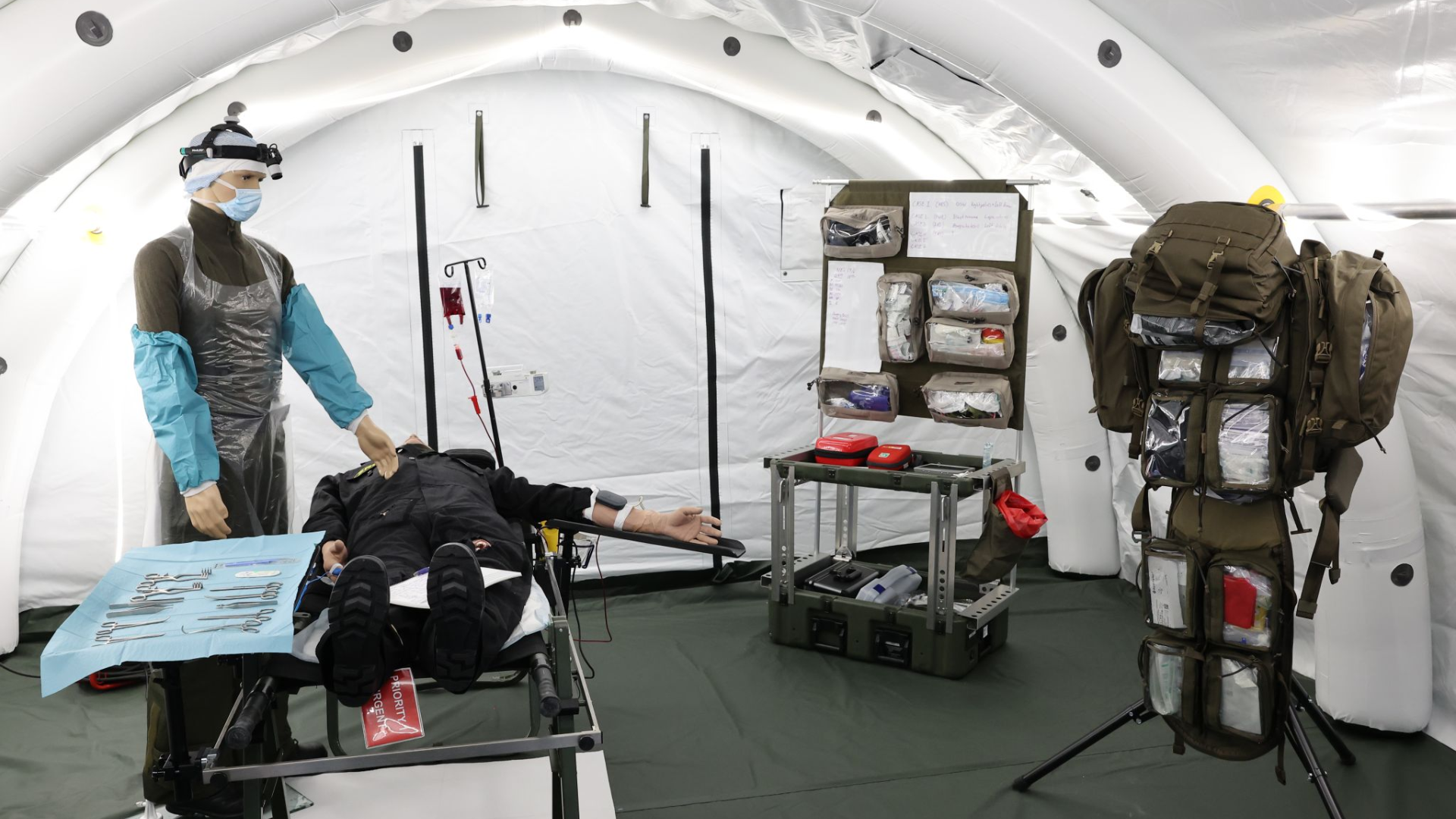
In addition, financing for the foreign buyer may form part of the transaction. Under the Financing Policy, Dutch or foreign banks can insure themselves against the risk that a foreign buyer will fail to repay an export loan. Depending on the transaction, a Dutch supplier can thus offer its buyer a more attractive financing proposal without having to bear the full credit risk itself.
The added value often lies in the synergy between these instruments. An exporter must be able to pre-finance the order, maintain their guarantee capacity and have certainty regarding payment. At the same time, the foreign buyer may require financing. By assessing the risks associated with these various components separately, a financing structure can be devised that is feasible for all parties involved.
However, the defence industry’s financing needs do not begin only when a specific export order is secured. Companies must also be able to invest before a new product line has been fully scaled up or future export turnover has been realised.
With Innovation Cover, we are therefore deliberately deploying our instruments earlier in the development and growth chain. The cover is intended for Dutch companies operating in one of the ten priority key technologies set out in the National Technology Strategy and wishing to invest in the Netherlands in upscaling or production capacity.
The link to the defence sector is immediately apparent. Various key technologies from the National Technology Strategy, such as artificial intelligence and data, quantum technology, semiconductor technology, optical systems, imaging technology and cyber security, are closely linked to the national technology areas targeted by the Dutch defence strategy. Consequently, the Innovation Cover may be relevant to both defence companies and enterprises with dual-use technology.
The financier, for example the company’s main bank, provides the investment loan. We can cover up to 80 per cent of the risk on that loan; the financier retains at least 20 per cent of the risk. As a result, a financier may be more willing to grant a loan or, under certain circumstances, a higher amount may be financed than would be possible without the cover.
The technology must be technically and commercially ready, production-ready and ready for market launch. In addition, there must be at least 20 per cent export potential and a minimum of 20 per cent of purchases made in the Netherlands within the investment budget. The standard conditions regarding compliance and environmental and social assessment also continue to apply.
It is precisely this combination that is relevant to the defence industry. Many technology companies already have a working product and a clear market, but need capital to purchase production equipment, build up stocks or make the transition from small-batch production to industrial-scale production. The Innovation Cover focuses precisely on that phase: the moment when technological potential must be converted into production and export capacity.
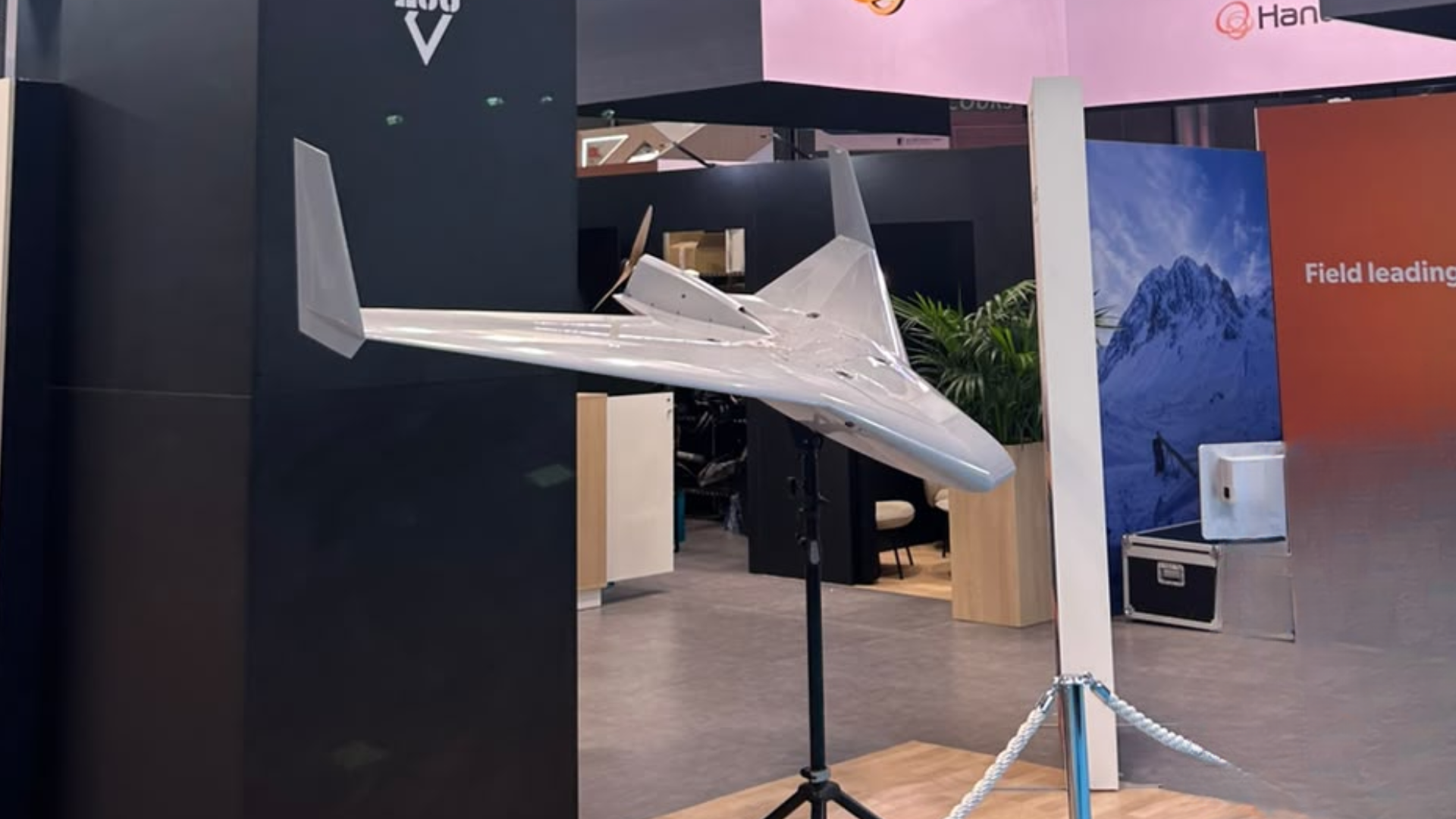
The fact that we can provide cover on behalf of the Dutch State does not mean that every company, loan or export transaction is automatically eligible. Each application is assessed on a case-by-case basis. In doing so, we consider, amongst other things, financial viability, the parties involved, the country and the buyer, compliance, environmental and social risks, and the applicable terms and regulations.
For projects in the Netherlands, the European State aid framework may also be relevant. For international transactions, our country policy applies and both commercial and political risks are assessed. This due diligence is not at odds with effectiveness. It ensures that public risk-sharing is deployed in a targeted, responsible and financially sustainable manner.
Ultimately, the strength of our toolkit does not lie in a single standard policy. It lies in our ability to align with different stages in the development of a business or project.
A technology company may first need financing to expand its production capacity. Next, working capital may be required to fulfil an international order. After that, bank guarantees, payment security or financing for the foreign buyer may come into play. Further down the value chain, investments may be needed to secure access to critical raw materials.
That is why we do not start by asking which product a company wishes to purchase, but by addressing the financing issue that is hindering its growth or operations. Where does the risk arise? Who currently bears that risk? What does the financier need in order to facilitate the loan, guarantee or export transaction? And what form of public guarantee can provide appropriate cover for this?
Companies and financiers would be well advised to discuss these issues with us early on in the process, preferably before contract terms, payment schedules, guarantees and financing documentation have been fully finalised. This provides greater scope for arriving at a suitable structure. In doing so, our specialists consider not only whether a single instrument can be used, but also whether a combination of solutions is better suited to the specific transaction or investment.
Strategic autonomy is not merely a concept. It only becomes meaningful when technology can be scaled up, produced and delivered. Financing is therefore not a peripheral condition alongside the defence mission, but an essential component of the industrial capability that the Netherlands and Europe require.
Is your company working on an international defence contract, an investment in key technology or a project within a strategic value chain? Our specialists would be happy to work with you and your financier to identify which risks limit the feasibility of financing and which solution might address them.
The European security landscape has changed fundamentally. The return of large-scale war to the continent, the rapid development of unmanned systems and the growing importance of cyber, artificial intelligence and space are placing new demands on our defence capabilities. The Dutch defence and security industry plays an essential role in this regard. However, a new contract can place a greater financial burden on a company before it generates additional revenue. In the case of an international defence contract, various components of our standard export credit instruments may be relevant.